
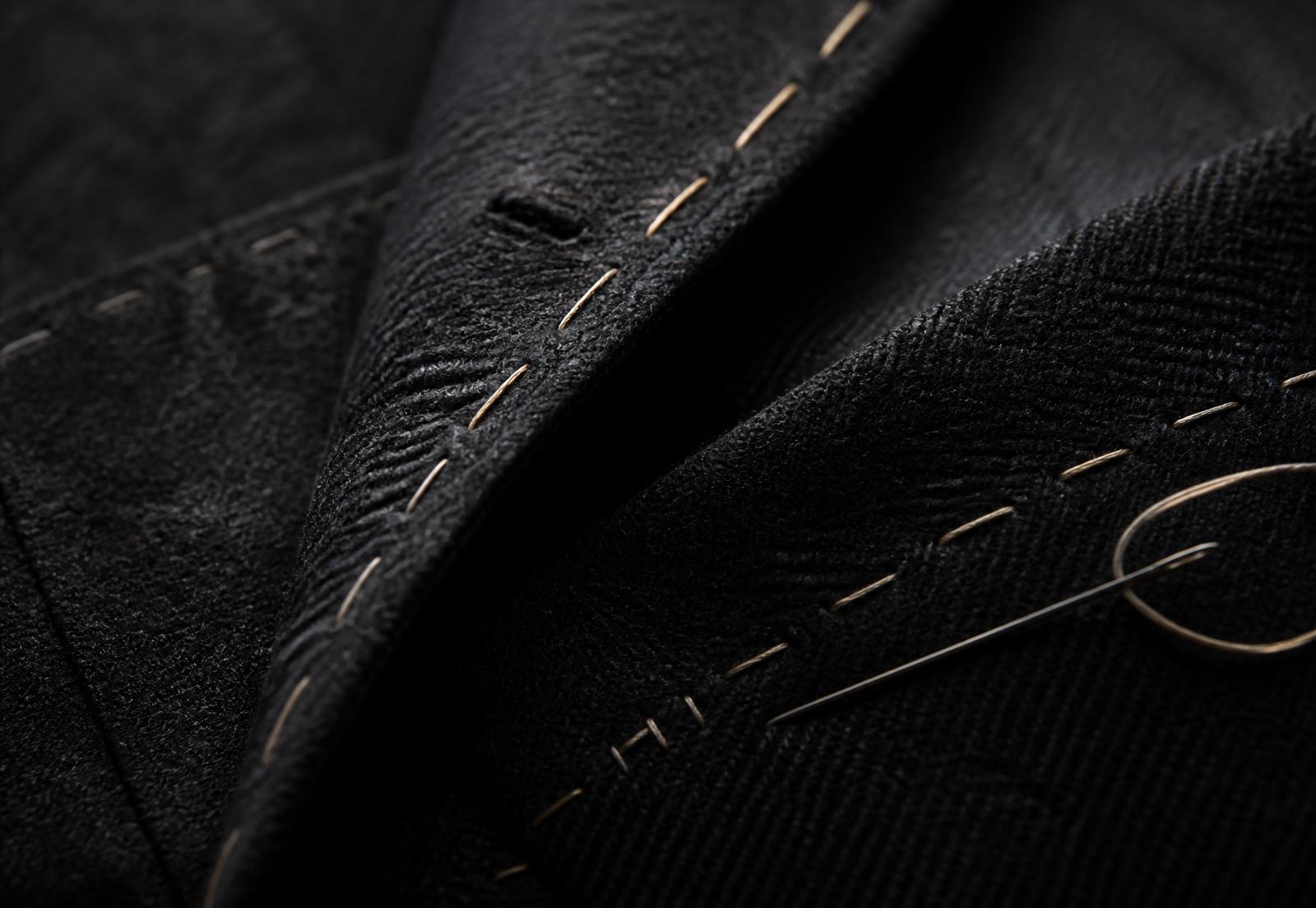
A single garment can pass through more than two hundred deliberate gestures before it is considered finished. We look at why the slowest hands produce the longest-lived work.
A garment is not made in an afternoon. It is made in the accumulation of small, unhurried decisions — where a seam turns, how a shoulder is set, how much ease is left in a sleeve so that an arm can move without the cloth complaining. Counted honestly, a single piece can pass through more than two hundred deliberate gestures before anyone is willing to call it finished.
Most of those gestures are invisible. Nobody sees the second pressing. Nobody sees the interior tape that keeps a lapel from collapsing after three winters. Nobody sees the hours spent deciding that a pocket sits four millimetres too high. And yet these are precisely the decisions that separate an object you keep from an object you replace.
Speed is the enemy here, and not for romantic reasons. Speed removes the pauses in which mistakes are noticed. A hand that is rushing cannot feel the difference between a stitch that is tight and a stitch that is merely tidy. Patience is not a virtue we perform for the story; it is the only condition under which quality can be detected at all.
There is a moment in every piece where the work stops being construction and starts being judgement. The pattern is correct, the cloth is correct, the machine has done what a machine can do — and then someone has to look at it and decide whether it is right. That judgement cannot be automated, and it cannot be hurried. It can only be trained, slowly, over years.
This is why we plan in seasons rather than weeks, and why the first ODCORRECT collection will arrive later than it could have. We would rather answer for a delay than for a compromise. A late garment is forgotten within a month. A poor one is remembered every time it is worn.
The reward for this patience is not visible on the first day. It appears in the third year, when the shoulders still sit, the colour has aged rather than faded, and the piece has become more yours than it was when it was new. That is the only test of craft that matters: how the work behaves once the excitement has worn off.